
If you have ever joined a fitness club and thought, “I wish this class ran at a different time,” or “It would be great if this treadmill had better incline options,” then you already understand the value of member feedback in a gym. At Vibe Gym and Health Club, conversations with members do not just stay at the front desk. They travel into decision-making about new classes, schedules, and even equipment purchases. This community-driven gym program approach ensures that changes reflect real needs rather than guesses.
In fact, member feedback gym initiatives are the reason why schedules shift, new yoga styles appear, and why equipment upgrades happen before machines start to feel outdated. Listening to members is how gyms use feedback to grow.
Fitness Class Improvements From Members
Classes That Reflect Real Voices
Fitness schedules often look full on paper. But if members feel uninspired, the calendar means little. By actively collecting fitness class improvements from members, gyms can adapt offerings. For example, when a group of members asks for evening pilates, management can test it on a small scale before rolling it out fully.
Adjusting Timing and Intensity
Feedback also points to scheduling conflicts. Early morning bootcamps may thrill some, but leave night shift workers excluded. By surveying the community, gyms learn to balance morning strength sessions with evening low-impact classes. The goal is not more classes but the right classes.
Building a Culture of Belonging
When members notice their suggestions lead to real changes, participation rises. It stops being just a workout space. Instead, the gym feels like a community that grows stronger through shared choices.
Gym Equipment Upgrades Based on Feedback
Moving Beyond Standard Machines
Machines and free weights are investments. But no investment is smarter than one guided by members. Treadmills that track heart rate more accurately, squat racks with better safety features, or resistance bands in different tensions are often requested directly by members.
How Feedback Influences Purchases
Below is a simple view of how gyms often prioritize gym equipment upgrades based on feedback:
| Feedback Area | Example Request | Resulting Upgrade |
| Cardio Machines | Better incline treadmill options | New treadmills with digital incline modes |
| Strength Training | Safer squat racks | Installation of updated racks with spot arms |
| Recovery Equipment | More foam rollers | Expansion of the stretching and recovery zone |
| Group Class Tools | Varied weights for HIIT classes | Purchase of lighter and heavier dumbbells |
This shows that feedback is not only heard but translated into real investments.
Extending Equipment Life
Feedback also informs maintenance. When members note early issues with machines, gyms can service them quickly. This prevents downtime and builds trust.
Community Driven Gym Programs
Listening Beyond Surveys
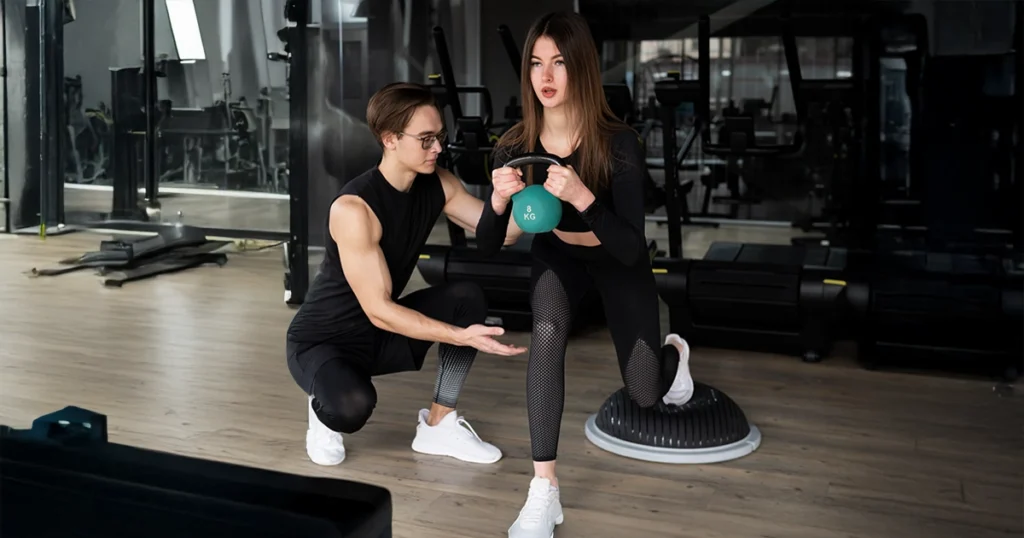
Paper surveys help, but real conversations matter more. Trainers who hear about sore knees after a high-intensity class can bring that input to program design meetings. This ensures that adjustments happen in real time, not months later.
Testing Programs Before Launch
Many community-driven gym programs now include pilot phases. A new circuit training style may first run with a small group of interested members. Their honest thoughts then decide whether the class becomes permanent.
Why Community Input Works
Members feel respected when their opinions shape the gym they use. Gyms benefit by offering programs that already have a built-in audience. This cycle keeps both sides motivated.
How Gyms Use Feedback to Grow
Growth in gyms is often pictured as shiny new buildings or extra branches. In truth, it begins with listening.
- A member suggests adding stretching sessions after intense cardio. Soon, attendance increases because recovery is better managed.
- Members request wider mats for yoga. The result is a more inclusive class that welcomes all body types.
- Suggestions about music volume in spin classes create a more comfortable environment.
This is how gyms use feedback to grow. Not through guesswork, but through daily interactions that slowly shape the culture.
The Role of Vibe Gym in Member Feedback
At Vibe Gym and Health Club, feedback is part of the routine. Members are encouraged to speak with trainers, share through digital forms, and even chat casually at the reception. The membership options reflect years of adapting to requests about timing, pricing flexibility, and variety in offerings.
The process is never one-way. Trainers also share observations about member struggles, which add another layer of insight. Together, this cycle of listening and adjusting creates a more responsive environment.
Shaping the Future Together

The fitness world changes fast. Trends come and go, but member voices remain the most reliable guide. Whether it is fitness class improvements from members or gym equipment upgrades based on feedback, the direction is clear. Community-driven gym programs are not a marketing line. They are a lived experience.
When members see their input shape real classes and equipment, they feel more connected. Gyms, in turn, thrive with higher participation, stronger loyalty, and a culture that grows naturally.
Contact us now, or visit our gym.
FAQs
1. How do gyms collect member feedback effectively?
Most gyms use a mix of surveys, direct conversations, and digital suggestion forms to gather insights.
2. What is the most common feedback about gym equipment?
Members often ask for safer strength equipment, better cardio machines, and more recovery tools.
3. How often do gyms upgrade equipment based on feedback?
It depends on the budget and demand. Popular requests often lead to upgrades within a year.
4. Why are fitness class improvements from members important?
Because classes feel more relevant when they are shaped by real participant needs and preferences.
5. How do community-driven gym programs benefit members?
They create a sense of ownership and belonging, which keeps members engaged and motivated.