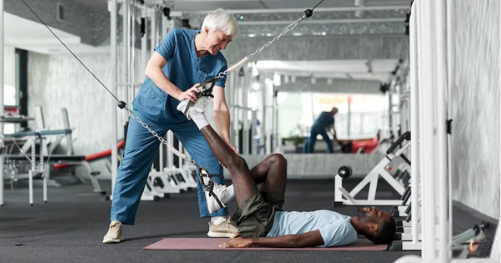



If you have ever finished a workout only to find your muscles protesting every step you take, you are not alone. Recovery is just as essential as the workout itself, but many people skip it or rush through it. Physiotherapy in your workout recovery plan can change that. It is not only for injuries; it helps your muscles recover faster, reduces soreness, and prevents minor aches from turning into bigger issues.
At Vibe Gym & Health Club, we see daily how adding physiotherapy to a workout recovery plan keeps members stronger, pain-free, and ready for their next session.
Why physiotherapy in your workout recovery plan matters
Your muscles go through microtears during exercise, your joints absorb more load, and your nervous system is under stress. Without proper recovery, your body struggles to adapt and progress.
Physiotherapy supports this process by:
- Increasing blood flow for faster tissue repair
- Reducing stiffness and soreness
- Restoring range of motion
- Spotting early signs of overtraining
Think of physiotherapy in your workout recovery plan as your body’s backstage crew, keeping everything running smoothly behind the scenes.
How physiotherapy supports your recovery goals
You do not need to wait until you are injured to start physiotherapy. Adding it into your weekly routine can help you progress faster while avoiding setbacks.
1. Immediate post-workout recovery
Techniques like assisted stretching, soft tissue release, and targeted massage help flush out lactic acid and ease tight muscles. This means less soreness and quicker return to training.
2. Injury prevention
Small issues like tight hips or sore knees can snowball if ignored. Physiotherapy identifies and corrects these before they affect your workouts.
3. Long-term performance
Improved posture, better joint mobility, and balanced muscle activation all contribute to lifting more, running faster, and moving better overall.
Key physiotherapy techniques for workout recovery

Here are common approaches physiotherapists use to keep your body at its best:
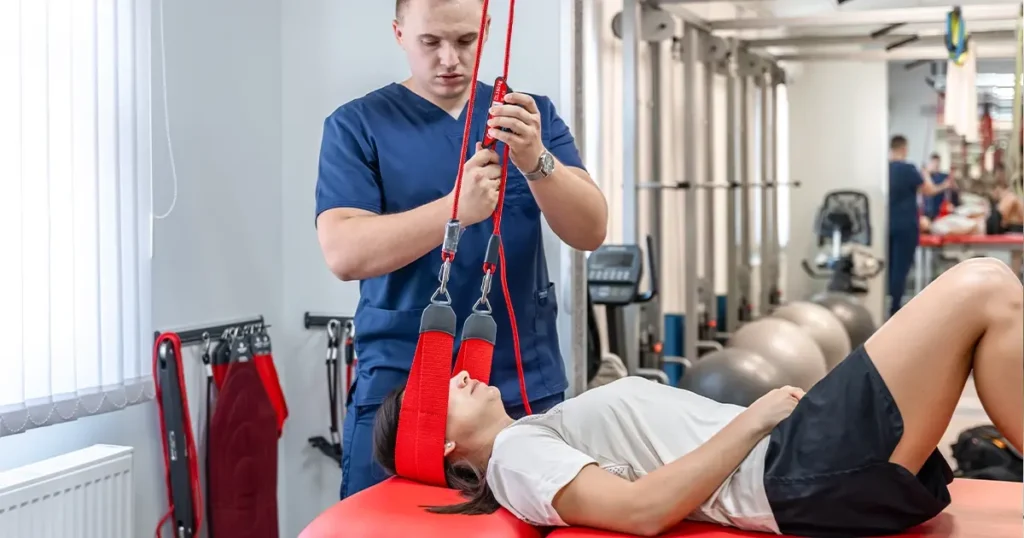
Manual therapy for mobility
Hands-on techniques that reduce stiffness and restore natural movement patterns.
Dry needling for deep relief
Targets stubborn knots and increases blood circulation to problem areas.
Assisted stretching to improve flexibility
Guided stretches that go beyond what you can do alone, helping prevent future tightness.
Strengthening and rehab exercises
Exercises designed to stabilise weak joints and build resilience.
Creating your physiotherapy recovery routine
Consistency is key. Here is how to fit physiotherapy into your week:
- After tough workouts, even 15 minutes can help you bounce back faster.
- Weekly maintenance – One full session a week keeps muscles and joints in top shape.
- Targeted intervention – Book extra sessions if soreness or stiffness lingers.
- Home follow-up – Do stretches and mobility drills your physiotherapist recommends.
How physiotherapy works with other recovery habits
For best results, pair physiotherapy with:
- Staying hydrated
- Eating enough protein
- Prioritising sleep
- Active recovery days (light walking, swimming, yoga)
Physiotherapy in your workout recovery plan is most effective when your lifestyle supports healing.
Why a professional makes a difference
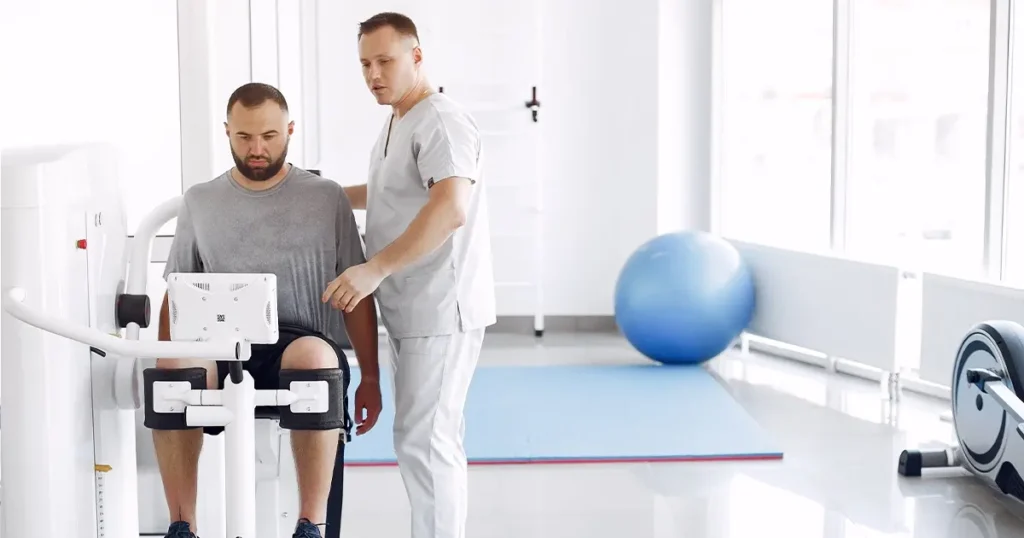
Self-massage and stretching have their place, but a physiotherapist sees movement patterns you cannot spot yourself. They can apply advanced techniques safely and adjust your recovery plan as your training changes.
At Vibe Gym & Health Club, our specialists create recovery plans based on your workouts, your body, and your goals.
Final thoughts
Physiotherapy in your workout recovery plan is not just about fixing problems — it is about keeping you moving, lifting, and performing without constant setbacks. Whether you are chasing a new personal best or simply want to feel good after every workout, it can be the missing piece that keeps you consistent.
FAQs
1. Do I need physiotherapy if I feel fine after workouts?
Yes, it can prevent issues before they start and improve mobility over time.
2. How often should I get physiotherapy for recovery?
Once a week or after intense sessions is a good baseline.
3. Can physiotherapy replace stretching and rest?
No, it complements them and makes them more effective.
4. Does physiotherapy make me stronger?
Indirectly — by improving movement and reducing pain, you train harder.
5. Is physiotherapy in a workout recovery plan only for athletes?
Not at all — anyone who trains regularly can benefit.